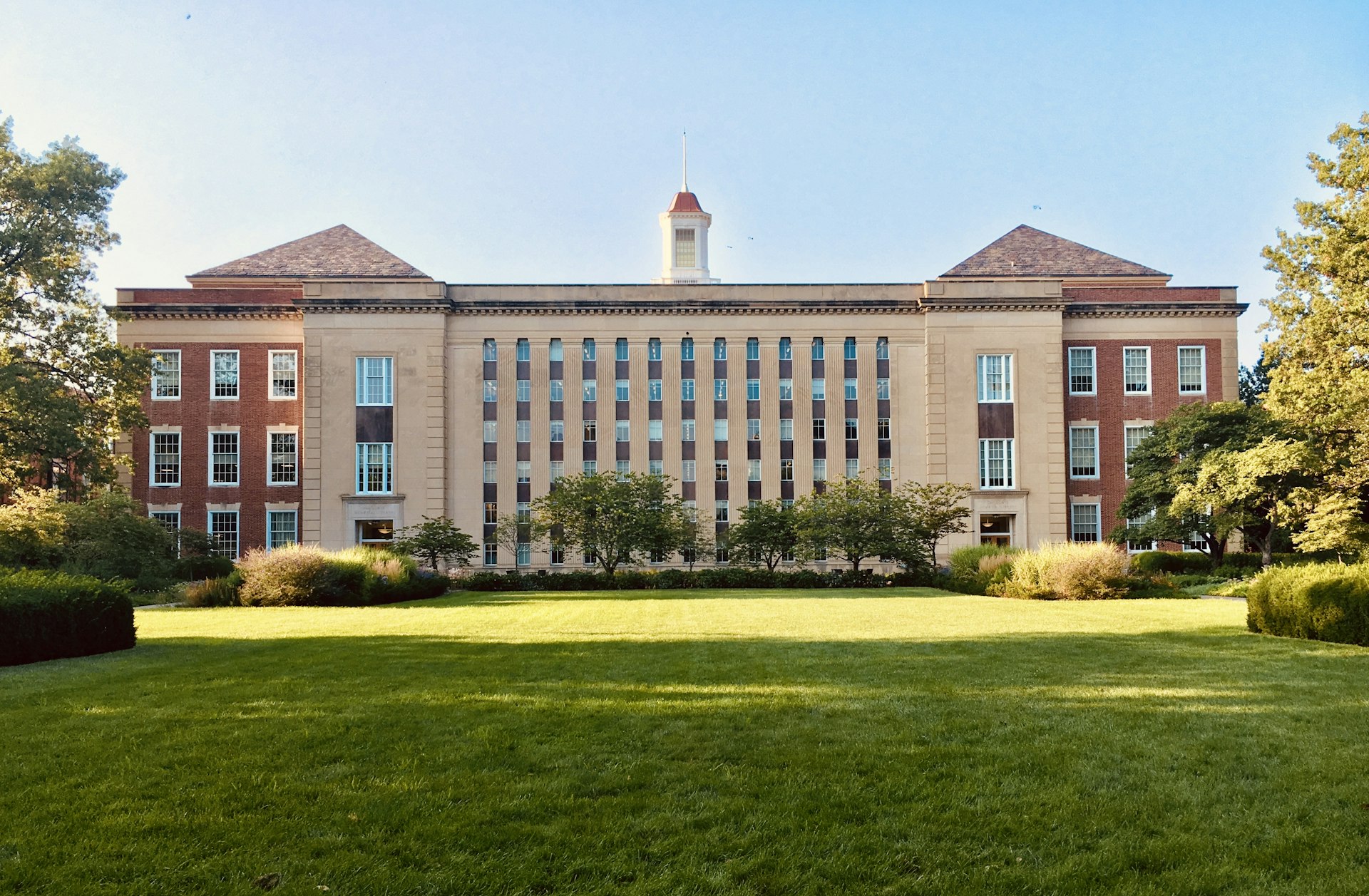
Campus Night Running
College campuses offer unique advantages for night running -- blue light networks, campus police patrols, and pedestrian-friendly infrastructure. Learn how to leverage every resource your campus offers for safe, confident night runs.

Blue Light Path Mapping
Most college campuses maintain a network of blue-light emergency phones positioned along major walkways. These are not just emergency tools -- they are navigation beacons. Mapping a running route that stays within sight of blue lights gives you a continuous safety corridor with emergency access every few hundred feet.
Download your campus safety map (usually available from campus police or the student safety office). Plot a route that chains blue-light stations together. Your route should never take you more than 200 yards from the nearest blue light. These paths are also typically the best-lit walkways on campus, giving you double benefit.
Buddy Systems & Running Groups
Campus environments are ideal for building running partnerships. You are surrounded by people on similar schedules, living within walking distance, and likely sharing the same fitness goals. A campus running buddy is the single most effective safety measure available to you.
Start a night running group through your dorm, student organization, or campus recreation center. Even two runners are dramatically safer than one. Coordinate schedules at the start of each week. Share routes in advance. Agree on pace and distance. If you cannot find a buddy for a specific run, use your campus's safe-walk or escort service -- many will accompany runners, not just walkers.
Campus Security Integration
Campus police and security officers are a resource most night runners overlook. Many campus security departments offer safety briefings, share patrol schedules, and can tell you which areas of campus have the best lighting and surveillance coverage. Some even offer to notify patrol officers of your running schedule so they keep an eye out.
Save your campus police non-emergency number in your phone. Download the campus safety app if one exists -- most have one-touch emergency calling, real-time safety alerts, and virtual safe-walk features. Register your running schedule with campus security if they offer that service.
Library-to-Dorm Routes & Campus Loop Design
Turn your daily campus commute into a running route, or design dedicated campus loops that leverage the best infrastructure.
Library-to-Dorm Running Routes
The library-to-dorm path is often the most well-lit, well-patrolled route on campus. It is designed for late-night student foot traffic. Use this route as the foundation of your campus running loop. Extend it by adding detours through other well-lit corridors -- the student union, the rec center, the science quad.
Most campuses have multiple paths between any two points. Scout them all during evening hours. Choose the one with the best combination of lighting, foot traffic, blue-light access, and surface quality. Avoid the "shortcut" paths through dark courtyards or parking structures.
Campus Loop Design
A great campus loop follows the perimeter of the well-lit core, passing through major campus landmarks: the library, student center, rec center, main quad, and administrative buildings. Most campuses have a natural 1-2 mile perimeter loop that offers excellent lighting and visibility.
Extend your loop by adding out-and-back spurs along well-lit corridors. The key rule: never leave the lit campus core. If a path takes you behind maintenance buildings, through parking lots, or along campus edges that border residential areas, skip it. The best campus routes are the most traveled ones.
Campus Strategy Checklist
Complete this checklist before every campus night run.
Campus Risk Patterns
Campus environments have specific risk patterns tied to the academic calendar and student life rhythms.
Thursday through Saturday nights bring increased alcohol-related unpredictability on campus. Areas near fraternity and sorority houses, student bars, and dorm party zones see higher foot traffic of intoxicated individuals. Rideshare vehicles stop unpredictably. Routes that feel safe on a Tuesday night may feel very different on a Friday. Adjust your running schedule or route to avoid party corridors on weekend nights. The safest campus running window on weekends is before 9 PM or after 2 AM when activity subsides.
Parking garages and large parking lots are among the most dangerous campus areas at night. Limited lighting, blind corners, vehicle movement, and isolation create multiple risk factors. Never route through a parking structure. Do not use parking lot cut-throughs even if they save distance. If your route must cross a parking lot, stick to the perimeter where lighting is better and exit points are clear. Report burned-out lights in parking areas to campus facilities.
The transition zone between campus and surrounding neighborhoods is often the least-maintained and least-patrolled area. Campus security jurisdiction typically ends at the campus boundary. Lighting changes abruptly. Blue lights stop. The character of the area can shift dramatically in one block. Keep your running route within campus boundaries. If you must cross off-campus, have a specific plan for that segment and return to campus quickly.
Campus activity drops dramatically during breaks, holidays, and summer sessions. A campus that feels safe with 40,000 students present feels very different with 2,000. Fewer students means less foot traffic, potentially reduced security patrols, and buildings that go dark. During low-enrollment periods, tighten your route to the most active campus areas. Check if security patrols are reduced during breaks and adjust your strategy accordingly. Winter months also mean earlier darkness and fewer daylight running options.
Campuses are perpetually under construction. Renovation projects reroute walkways, remove lighting temporarily, create fenced-off areas that block escape routes, and introduce heavy equipment that obscures sightlines. Check campus facilities updates before running a regular route. Construction zones are especially dangerous at night because temporary barriers, uneven ground, and equipment may not be well-marked. Always have an alternate route planned when construction disrupts your primary loop.
Campus Gear Recommendations
Campus running gear balances safety with the practical realities of student life and budget.
Campus Safety App
Your most important tool is free. Download your campus safety app for one-touch emergency calls, virtual safe-walk features, real-time alerts, and friend tracking. Many integrate directly with campus police dispatch.
Clip-On LED Light
A small, rechargeable LED clip light attaches to your shirt, shorts, or backpack. White light in front, red in back. Budget-friendly and effective for campus paths where you share space with cyclists and vehicles.
Reflective Arm Bands
Lightweight reflective snap bands for your wrists and ankles. Easy to throw on over any outfit, they store flat in a pocket or backpack. Perfect for students who run between classes or after library sessions.
One-Ear or Open-Ear Headphones
Keep at least one ear open to your surroundings on campus. Single-ear headphones or bone conduction models let you stay aware of approaching cyclists, vehicles, and other pedestrians while enjoying your playlist.
Student ID
Always carry your student ID when running on campus. It identifies you to campus security, grants building access in emergencies, and is required for many campus services. Tuck it in a running belt or phone case.


Map Your Campus Night Route
Use the Night Route Builder to design a safe campus loop along blue-light paths and well-lit corridors.
Open Night Route BuilderJoin the Night Crew
Connect with student night runners on your campus. Get safety strategies, find running buddies, and share trusted routes.
No spam. Unsubscribe anytime. Empowerment only.