
Travel & Hotel Night Running
Maintaining your running routine while traveling is a superpower. But unfamiliar cities, jet lag, and zero local knowledge create unique challenges. Here is your complete system for running safely in any city, starting from any hotel, anywhere in the world.
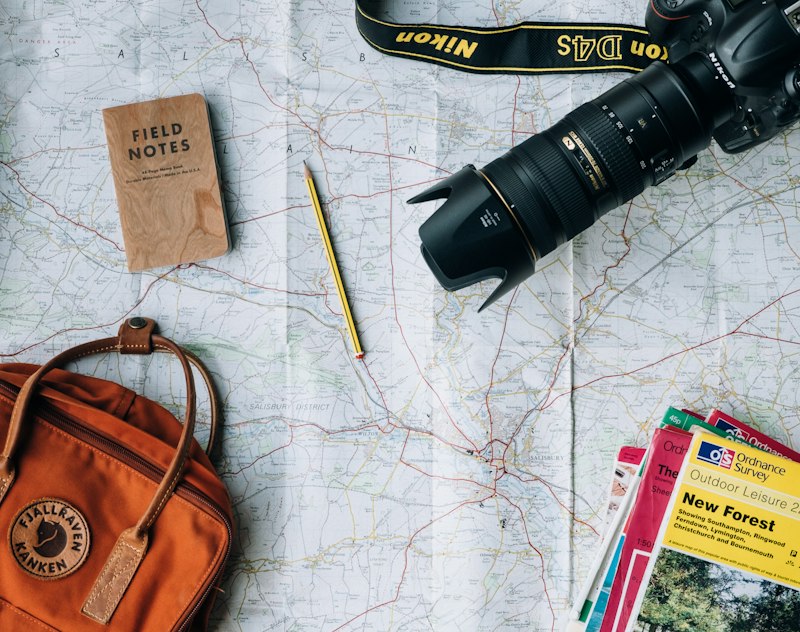
New City Reconnaissance
Running in an unfamiliar city at night requires deliberate reconnaissance. You do not have the luxury of local knowledge -- you do not know which neighborhoods are safe, which streets are well-lit, or what the crowd patterns look like. Your recon process replaces that missing knowledge with systematic intelligence gathering.
Before you even lace up your shoes, spend 15 minutes on digital recon. Open Google Maps satellite view of your hotel area. Identify major streets, parks, and commercial districts within a 1-mile radius. Check Google Street View to assess sidewalk quality and lighting. Search for running routes in the city on Strava's heatmap or local running forums. Ask the hotel concierge. This 15-minute investment dramatically changes your safety profile.
Hotel-Radius Run Design
The hotel-radius run is the fundamental travel running strategy. Rather than trying to find the best route in an unfamiliar city, you create expanding loops from your hotel. Start with a 0.5-mile radius loop. If that feels comfortable, expand to 1 mile on the next run. This progressive approach builds your knowledge of the area while keeping you close to the safety of your hotel.
Your first run should stay within 4-5 blocks of the hotel. Run a simple rectangular loop around the block. On each subsequent run, expand one block in each direction. This builds a mental map naturally. Always be able to name the cross-streets that will take you back to the hotel. Drop a pin on your hotel in your maps app before you leave.

Concierge Route Tips & Jet Lag Running
Hotel staff are an underused intelligence source. Concierges, front desk agents, and bell staff know the neighborhood intimately. Ask them specifically: "Where do local runners go? Which direction from the hotel has the best-lit streets? Are there any areas I should avoid at night?" Be specific about the time you plan to run.
Jet lag running requires modified expectations. Your body clock is confused, your reaction time is slower, and your judgment may be impaired. Use jet lag runs as gentle exploration, not training. Run at 60-70% effort. Keep your first jet lag run under 3 miles. If you have crossed more than 6 time zones, your first run should be a walk-run. Jet lag runs are actually beneficial for resetting your circadian rhythm -- morning sunlight exposure helps, but evening runs also assist with sleep readiness.
Downtown vs Suburban in Unfamiliar Cities
Where your hotel is located determines your entire running strategy. Here is how to adapt.
Downtown Hotel Strategy
Downtown hotels offer the best night running potential for travelers. Grid street layouts are easy to navigate. Business corridors provide lighting and foot traffic. You are more likely to find running paths, parks, and waterfront areas within reach. Run during the dinner-hour window (7-9 PM) when streets are busy with restaurant and entertainment activity.
Stick to major avenues rather than side streets. Avoid transitioning from the commercial core into residential areas at night -- the lighting and activity level change abruptly. If your hotel is near a waterfront, riverwalk, or park with a running path, use it as your primary route. Most downtown areas have natural 2-3 mile loops that stay in well-lit zones.
Suburban Hotel Strategy
Suburban and highway-exit hotels present the biggest challenge for travel runners. The surrounding area may be strip malls, parking lots, and multi-lane roads -- hostile to runners. Your strategy changes fundamentally: prioritize finding a safe running surface rather than an interesting route.
Ask the hotel if there is a treadmill available as a backup. Search for nearby residential neighborhoods with sidewalks. Look for multi-use paths or greenway trails within a short drive. If you must run from the hotel, identify the quietest commercial street with a sidewalk and run an out-and-back. Avoid running along highway access roads -- these are the most dangerous surfaces for night runners.
Travel Running Strategy Checklist
Complete this checklist before every hotel night run.
Travel Running Risk Patterns
Unfamiliar environments amplify every risk. These patterns help you stay ahead.
Getting lost in an unfamiliar city at night is stressful and potentially dangerous. Without local knowledge, you cannot distinguish safe neighborhoods from risky ones. Street layouts may be irregular (European cities, older districts). Street signs may be in a different language. Your phone GPS may be inaccurate in dense urban areas. Prevent this by sticking to your hotel-radius strategy. Download offline maps before your run. If you become disoriented, stop running. Open your maps app. Use rideshare to return if needed. Never try to "figure it out" by running further into unknown territory.
Jet lag is not just about being tired. It impairs reaction time, decision-making, and spatial awareness -- all critical for night running safety. Studies show jet lag impairment is comparable to mild alcohol intoxication. You may misjudge traffic speed, ignore warning signs, or push too hard physically. Treat your first 48 hours in a new time zone as a high-caution period. Run shorter, slower, and closer to the hotel. Do not attempt challenging routes or extended distances until your body has adjusted.
Different cities have different traffic cultures. Some cities have aggressive drivers. Some have heavy scooter or motorcycle traffic. In some countries, traffic drives on the left side of the road, changing which direction threats approach from. Rideshare vehicles may stop unexpectedly. Roundabouts and non-standard intersections can confuse your crossing instincts. Observe traffic patterns before running in them. Cross streets with extreme caution in unfamiliar cities. Use crosswalks and signals even if locals do not.
In some cities, tourists and visitors are targeted for theft, particularly at night. A runner wearing expensive gear (GPS watch, headphones, phone armband) can be an attractive target. Minimize visible valuables. Leave your expensive watch in the hotel safe and use your phone for GPS. Tuck your phone inside a pocket rather than an armband. Avoid stopping to check your phone in isolated areas. Look purposeful and confident -- running with purpose signals that you belong, even if you do not.
If you need help in a country where you do not speak the language, communication becomes a real barrier. You may not be able to describe your location to emergency services, communicate with a bystander, or understand warning signs. Before running internationally, save key phrases in the local language: "help," "hospital," your hotel name and address. Download a translation app for offline use. Know the local emergency number (it is not 911 everywhere). Carry a card with your hotel's name and address written in the local language.
Travel Running Gear Recommendations
Travel running gear must be packable, versatile, and work in any city, any climate.
Ultralight Clip Light
A rechargeable clip-on LED that weighs nothing and takes zero suitcase space. White front, red back. Clips to any shirt or shorts. USB-rechargeable so no batteries needed. The single most important travel running gear item.
Packable Reflective Vest
Folds to the size of a fist. Unfolds to full 360-degree reflective coverage. Weighs under 3 ounces. No excuse not to pack this for any trip where you might run. Works over any outfit.
Phone with Offline Maps
Your phone is your navigation lifeline in unfamiliar cities. Download offline maps for the area before your trip. Ensure your phone plan works internationally or have WiFi-based maps ready. Battery case recommended for longer runs.
Hotel Info Card
A simple card with your hotel name, address, and phone number written in the local language. Tuck it in your running shorts pocket. If you get lost and your phone dies, any taxi driver or local can help you get back.
Emergency Cash & Hotel Key
Carry a small amount of local currency and your hotel key card. If something goes wrong, you need to be able to get a taxi or buy water. A running belt that holds your phone, key, cash, and ID card is the ideal travel running accessory.
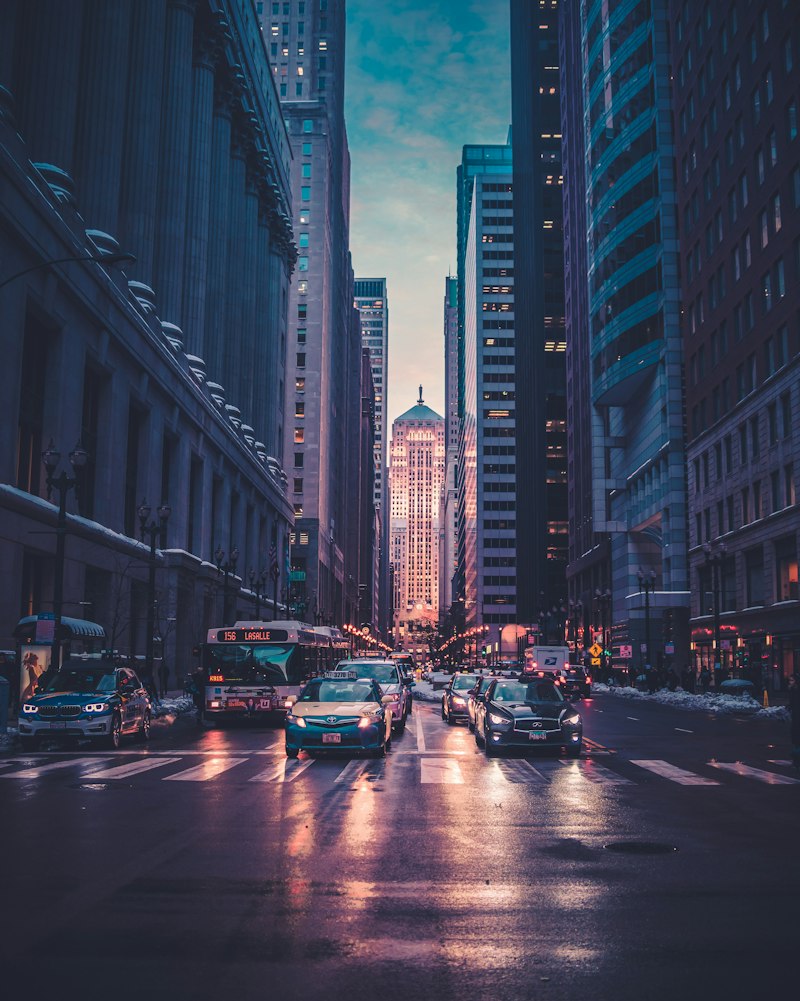


Plan Your Travel Night Route
Use the Night Route Builder to design a hotel-radius route in any city with lighting and safety data.
Open Night Route BuilderJoin the Night Crew
Connect with night runners worldwide. Get city-specific route intel, find local running partners, and share hotel running routes.
No spam. Unsubscribe anytime. Empowerment only.