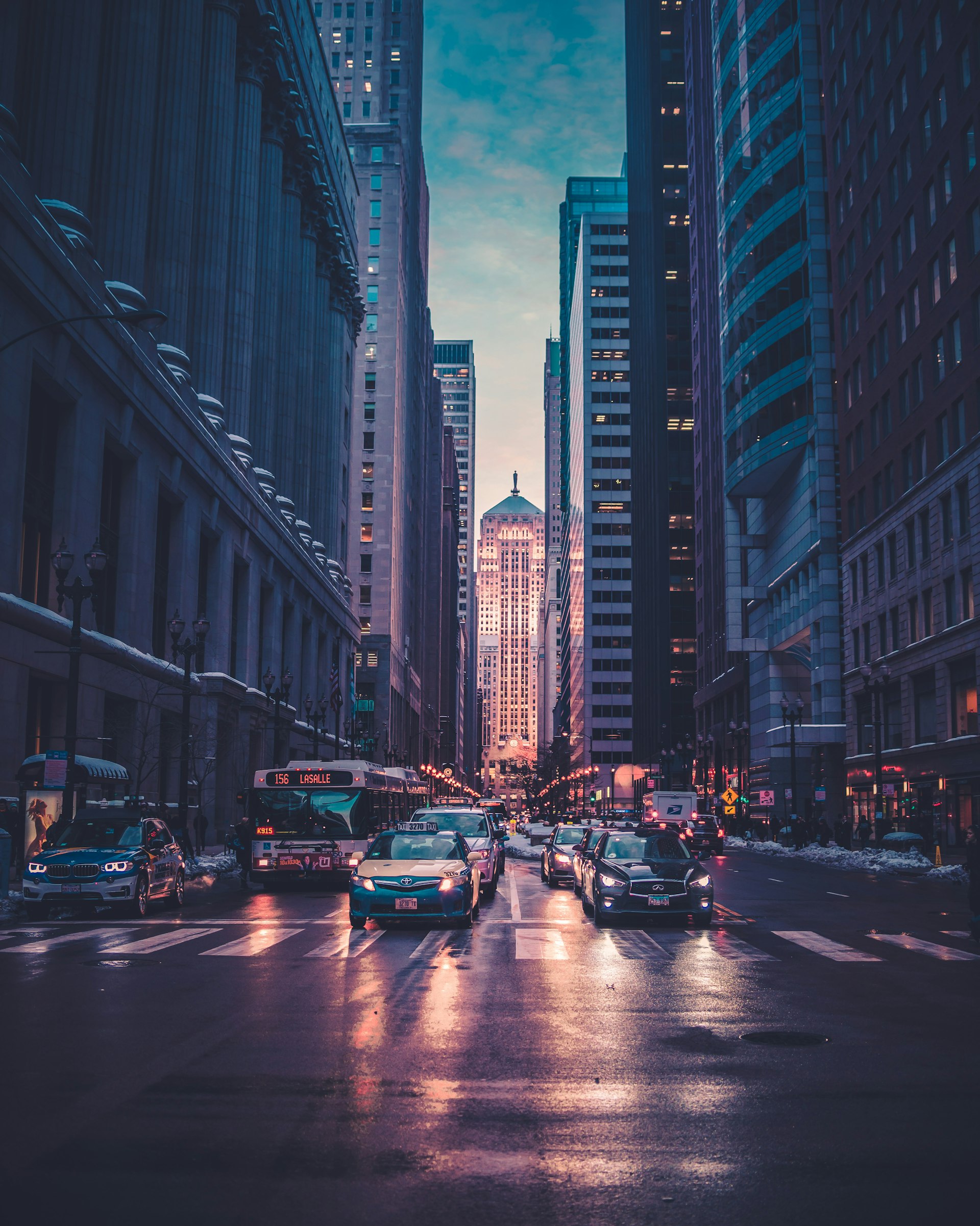
Urban Core Night Running
The city never sleeps -- and neither does its potential as your running terrain. Master business corridor strategy, streetlight mapping, crowd rhythm, and intersection visibility to own the downtown night.
Business Corridor Strategy
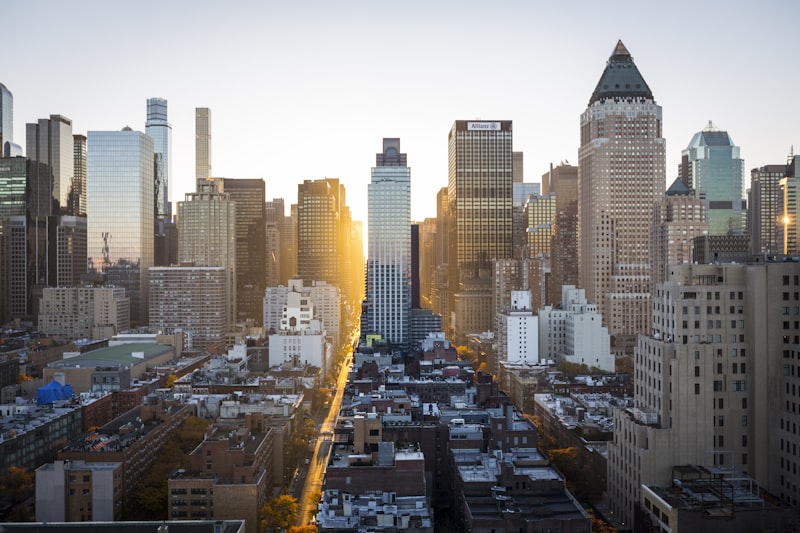
Business corridors are the gold standard for urban night running. These streets offer consistent lighting, foot traffic, and open storefronts that serve as natural safe havens. The key is knowing which corridors remain active at your preferred running time and which ones empty out after business hours.
Map your city's active corridors by time of day. A restaurant district that buzzes at 8 PM may be completely deserted by 11 PM. A hospital district, on the other hand, runs 24/7. Think of your route as a chain -- each link is a lit, active corridor segment.
Streetlight Mapping
Not all streetlights are created equal. LED upgrades, broken fixtures, tree canopy interference, and timing schedules all affect your night running visibility. Serious urban night runners learn to read the light landscape the way trail runners read terrain.
Do a daylight recon of your planned route. Look up at the fixtures -- are they sodium orange, bright LED white, or dim and failing? Note gaps between lights. A 200-foot dark stretch between lights feels very different from a continuously lit block. Your goal: minimize dark gaps to under 100 feet.
Crowd Rhythm Analysis
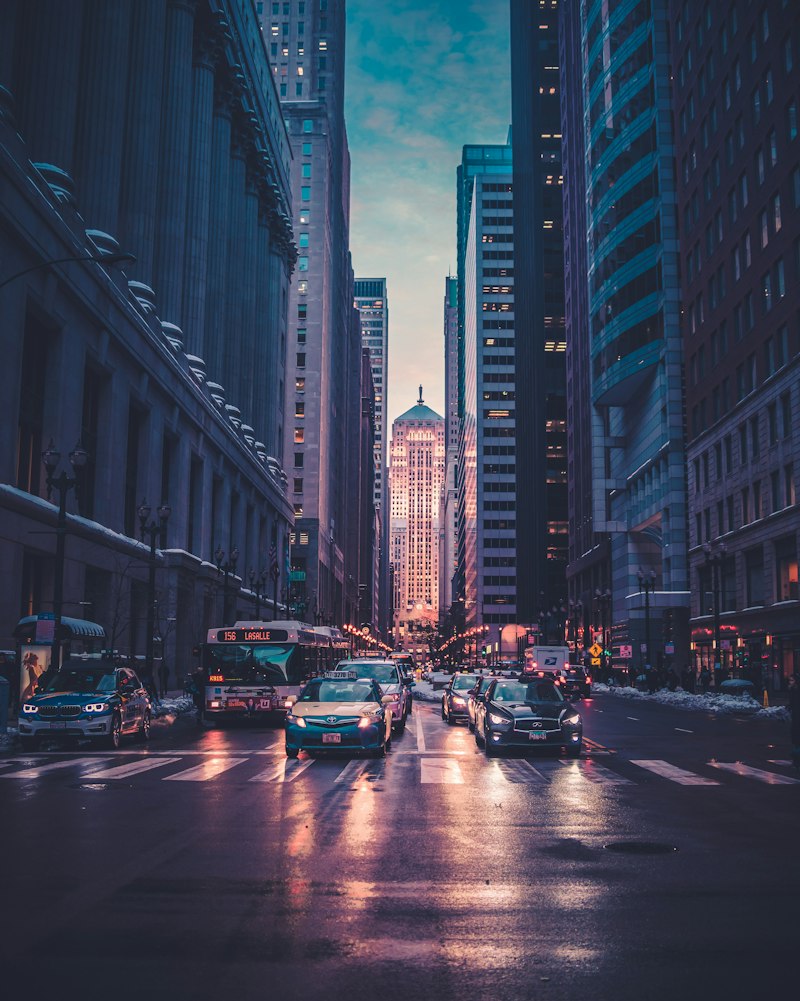
Urban environments have predictable rhythms. The dinner crowd (6-9 PM) creates natural safety through foot traffic. The late bar crowd (11 PM-2 AM) introduces unpredictable behavior. The early morning shift (4-6 AM) brings a different, more purposeful energy. Learn these patterns and use them.
The ideal urban night running window for most runners is between 7-10 PM on weeknights -- restaurants are open, people are walking, streets feel alive without feeling chaotic. Weekend timing shifts later. Know your city's specific rhythms and adjust your schedule accordingly.
Intersection Visibility & Downtown Loop Design
Intersections are decision points and danger points. Downtown loops give you options that linear routes never will.
Intersection Safety Protocol
Every intersection is a moment of vulnerability. Turning vehicles, distracted drivers checking phones, and limited sightlines create risk. Approach intersections with a deliberate protocol: slow slightly, scan all four directions, make eye contact with any waiting driver, and cross with purpose. Never assume a driver sees you.
Position yourself on the side of the road that faces oncoming traffic. At intersections, stand in the most illuminated spot while waiting. Use the pedestrian signal -- running against the light saves seconds but dramatically increases risk.
Downtown Loop Design
The best urban night routes are loops, not out-and-backs. A loop gives you continuous forward progress, multiple exit options, and the ability to shorten or extend your run on the fly. Design loops that follow lit corridors and pass through active areas.
Start by identifying a 1-mile lit loop around your starting point. This becomes your confidence loop -- a route you know intimately. From there, extend to 2-mile and 3-mile loops that chain additional corridors. Each loop should have at least two bailout points where you can cut back to your start.
Urban Core Strategy Checklist
Complete this checklist before every urban night run.
Urban Core Risk Patterns
Understanding risk patterns transforms anxiety into awareness. Know what to look for.
The number one risk in urban night running is vehicle interaction. Drivers have reduced visibility, may be fatigued, and are often distracted. Right-turning vehicles at intersections are particularly dangerous because drivers check for cars, not runners. Always assume you are invisible to traffic. Run facing oncoming traffic on streets without sidewalks. At intersections, wait for the walk signal and make eye contact with drivers before crossing. Wear front-facing lights to increase your visibility to oncoming traffic.
Urban construction zones are hazardous at night. Sidewalk closures force you into the street. Equipment, barriers, and uneven surfaces create tripping hazards. Dust and debris reduce visibility. Before your run, check for active construction on your route. If you encounter unexpected construction, do not try to navigate through it in the dark. Turn around and take an alternate corridor. Construction zones rarely have adequate pedestrian lighting at night.
Bar districts and entertainment zones become unpredictable after 10 PM. Intoxicated pedestrians, rideshare vehicles stopping suddenly, groups spilling onto sidewalks, and aggressive behavior are all common. If your route passes through an entertainment district, time your run to avoid peak bar hours (11 PM-2 AM on weekends). During these hours, reroute to parallel streets one or two blocks away from the main entertainment corridor.
It is tempting to cut through alleys or side streets to shorten your route, but these are among the most dangerous urban running choices at night. Alleys lack lighting, have limited escape routes, may contain obstacles (dumpsters, vehicles), and are not patrolled. Never use alleys as shortcuts during night runs. Similarly, avoid dead-end streets and cul-de-sacs in urban cores. Stick to through streets with multiple exit options at all times.
Rain transforms urban running surfaces. Metal grates, painted crosswalks, manhole covers, and marble building entrances become slippery. Puddles hide potholes and uneven pavement. Storm drains may overflow at curb cuts. After rain, slow your pace at transitions between surface types. Avoid metal grates entirely. Run on the rougher concrete portions of sidewalks rather than smoother stone or tile surfaces. Your headlamp helps identify pooled water and reflective wet patches.
Urban Core Gear Recommendations
The right gear for city night running balances visibility, safety, and urban practicality.
Waist Light
A waist-mounted light with 200+ lumens illuminates the ground ahead and makes you visible to drivers from all angles. Better than a headlamp for urban running because it does not blind oncoming pedestrians.
Reflective Vest
A lightweight reflective vest provides 360-degree visibility to vehicles. Choose one with both reflective strips and an LED blinker. It folds small enough to fit in your pocket when not needed.
Rear Blinker
Clip a red LED blinker to your back or waistband. Flashing mode is more attention-grabbing than steady. Essential for any stretch where traffic approaches from behind. Small, light, and cheap insurance.
Reflective Shoes
Ankle-level reflective elements are highly effective because the motion of running creates a distinctive human movement pattern that drivers recognize instantly. Reflective shoe accents or ankle bands work well.
Bone Conduction Headphones
Maintain full situational awareness while listening to music or podcasts. Bone conduction headphones leave your ear canals open so you can hear traffic, voices, and approaching vehicles. Non-negotiable for urban night running.



Plan Your Urban Night Route
Use the Night Route Builder to design a safe, lit, looped route through your city's best corridors.
Open Night Route BuilderJoin the Night Crew
Get weekly urban running strategy drops, city-specific safety notes, and connect with night runners in your area.
No spam. Unsubscribe anytime. Empowerment only.